
MONTHLY SPOTLIGHT
Sisal Rug Spotlight:Six Beautiful Weaves for Your Home
Sisal brings a tactile quality to an interior that is easy to appreciate up close. Its visible weave, natural variation and earthy color create a warm foundation beneath furniture, while a change in pattern can shift the entire feeling of a space.
This month’s spotlight explores six sisal selections, from substantial woven texture to fine herringbone, dimensional diamonds and flowing geometry. Each offers a different way to bring interest to the floor. The right choice begins with the room: the colors you already love, the amount of pattern you want and the way you live in the space.
Six Sisal Designs to Consider
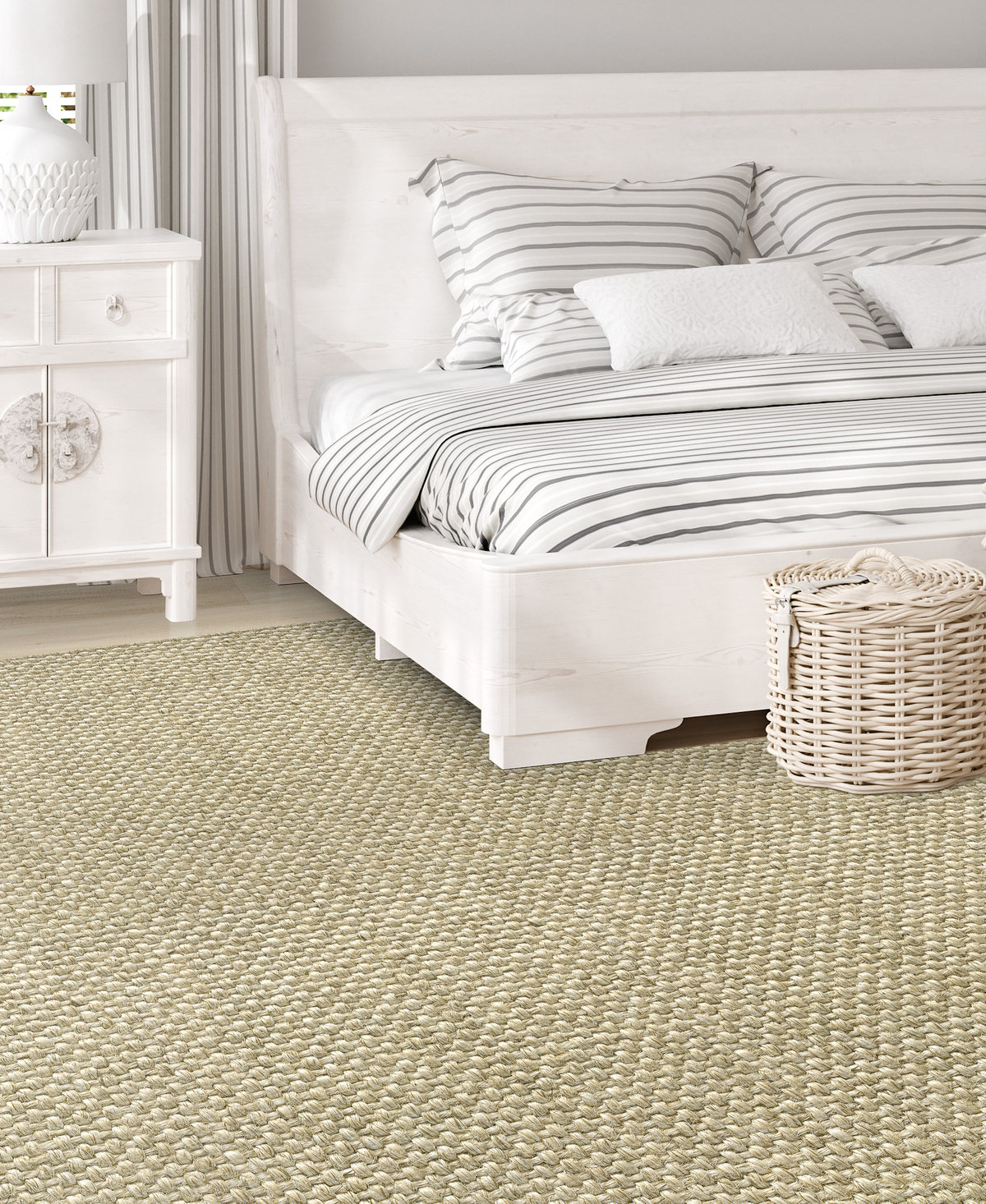
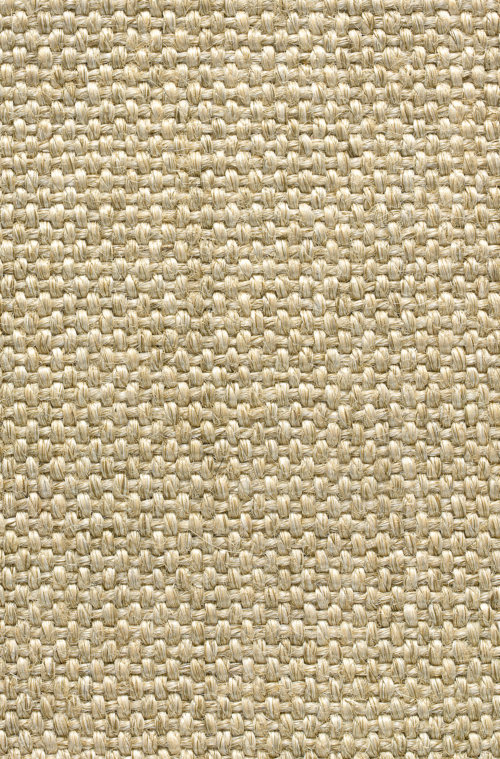
Accra in Linen
Accra has a substantial weave that gives its light neutral color depth. Linen feels relaxed and quietly textured, with natural variation that works well alongside pale woods and softly layered textiles.
Consider it when you want the floor to have a clear tactile presence without introducing a strong geometric motif. Its chunky surface can bring definition to a restrained palette and complement the softer lines of upholstered furniture.
Sonoma Springs in Blonde
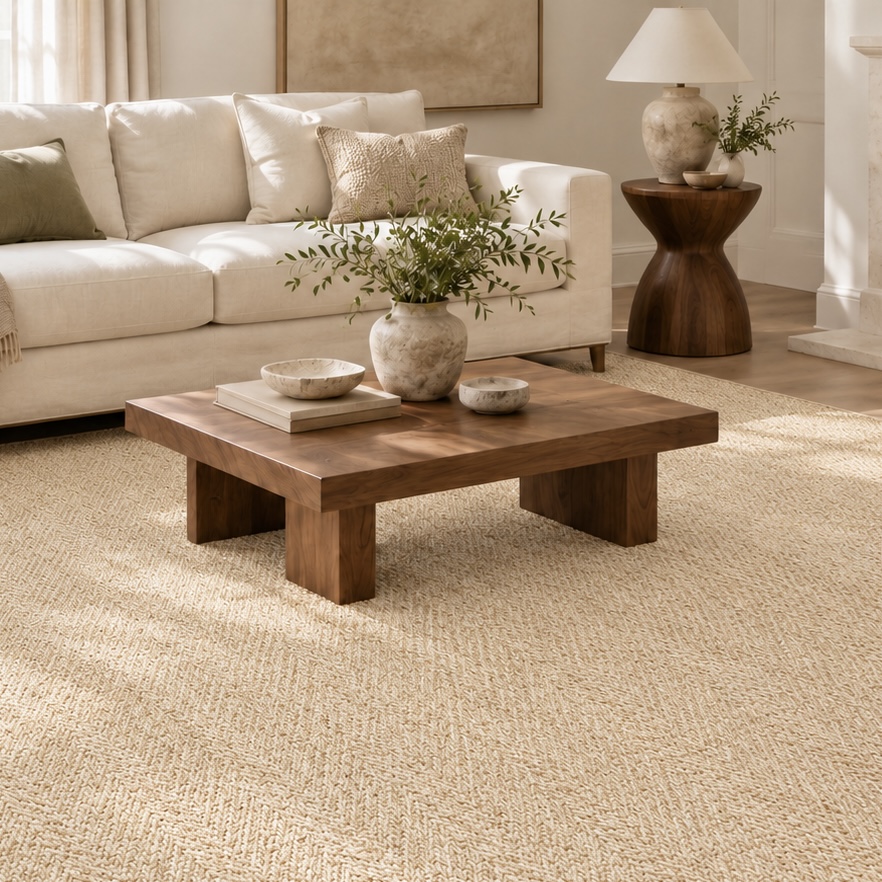
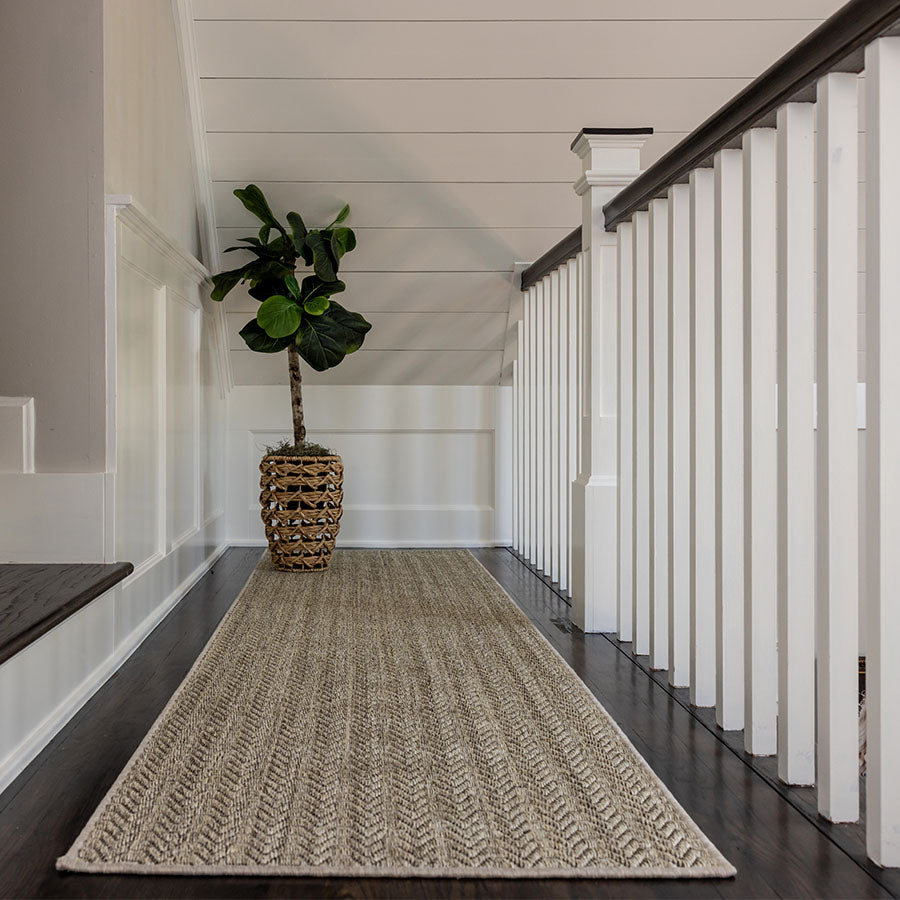
Sonoma Springs offers a finer, more tailored rhythm. Its herringbone weave creates gentle directional movement, while Blonde adds warmth through a golden neutral tone.
The pattern suits interiors where you want detail that rewards a closer look. Pair it with simple furniture shapes, natural wood and tonal textiles, or let its small-scale geometry sit beneath a more expressive mix of furnishings.
Dragon Grass
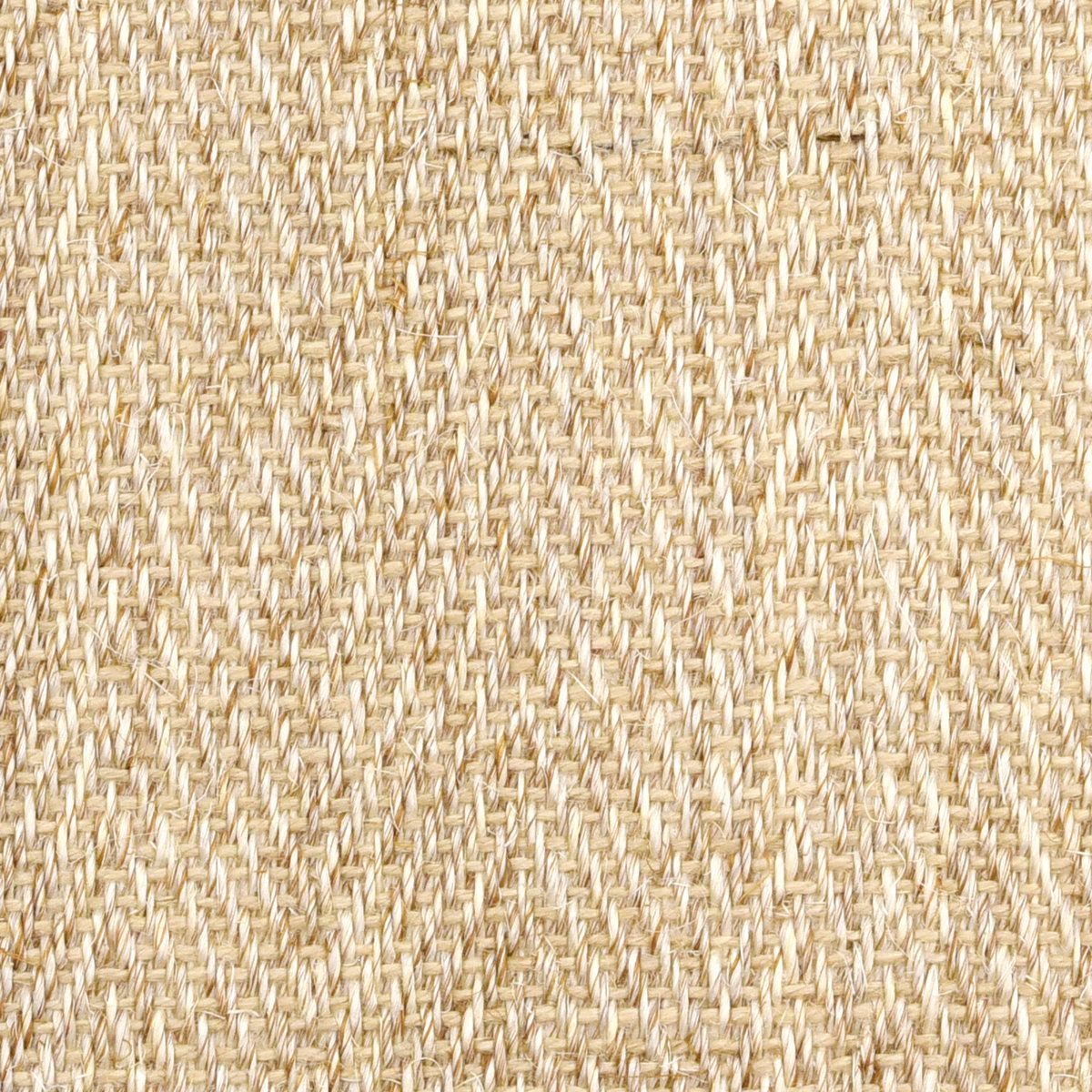
Dragon Grass brings a fine, regular woven texture to the floor. Its warm color creates an inviting setting for wood furniture, collected objects and layered seating.
The closely woven surface has a directional rhythm that adds interest without a bold graphic statement. It is a useful starting point for a room whose character comes from its furniture, artwork and materials.

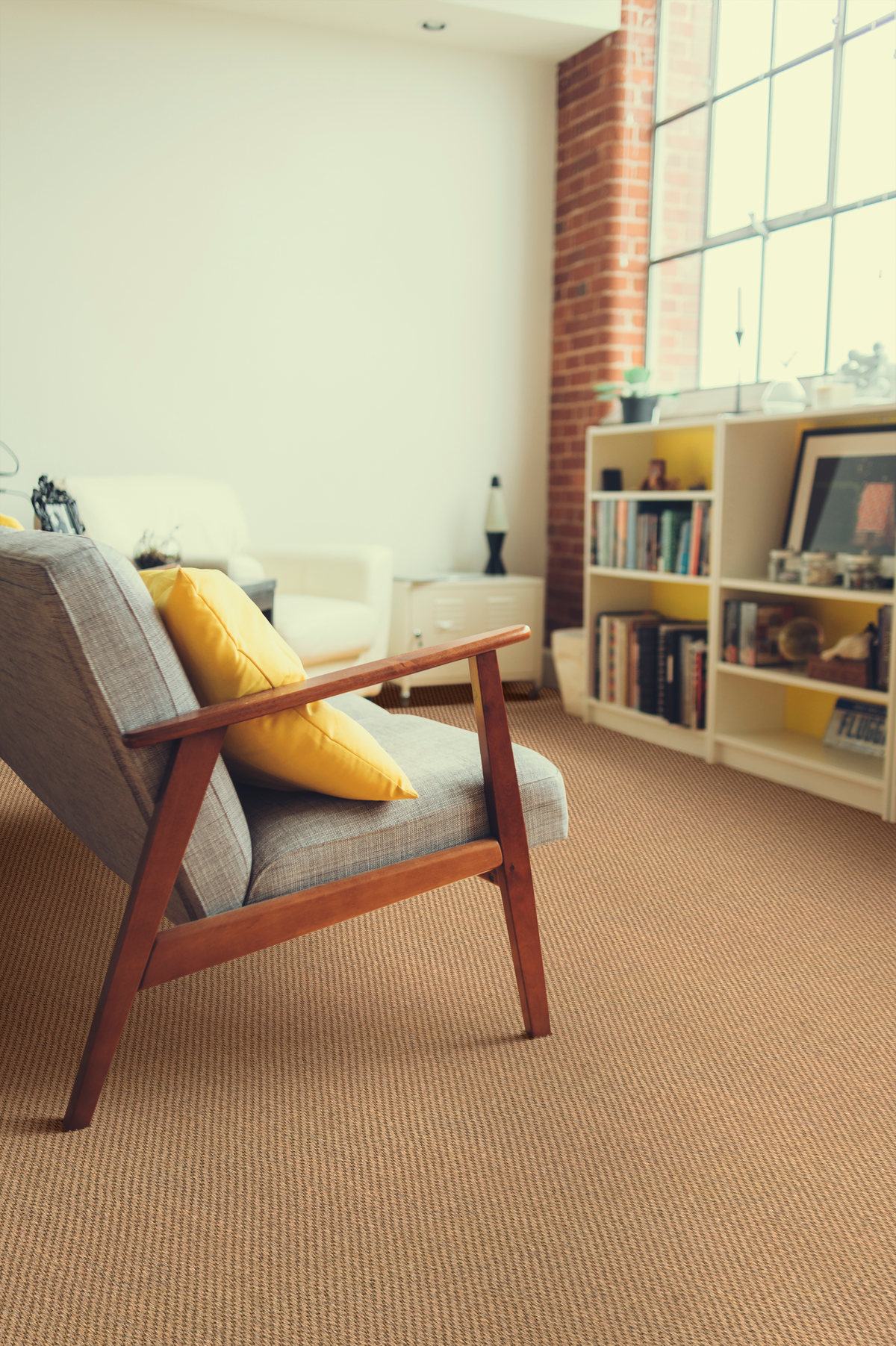
San Miguel
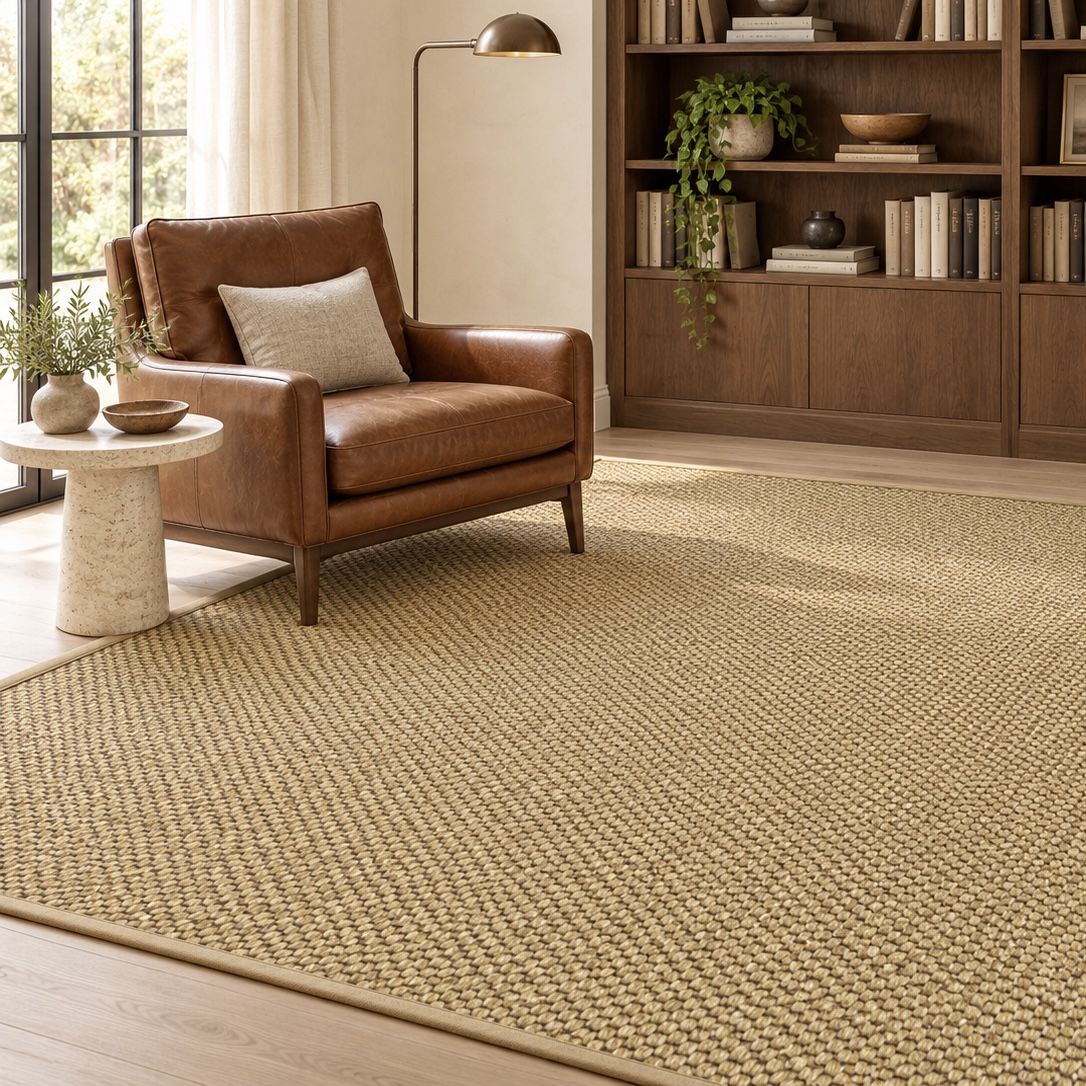
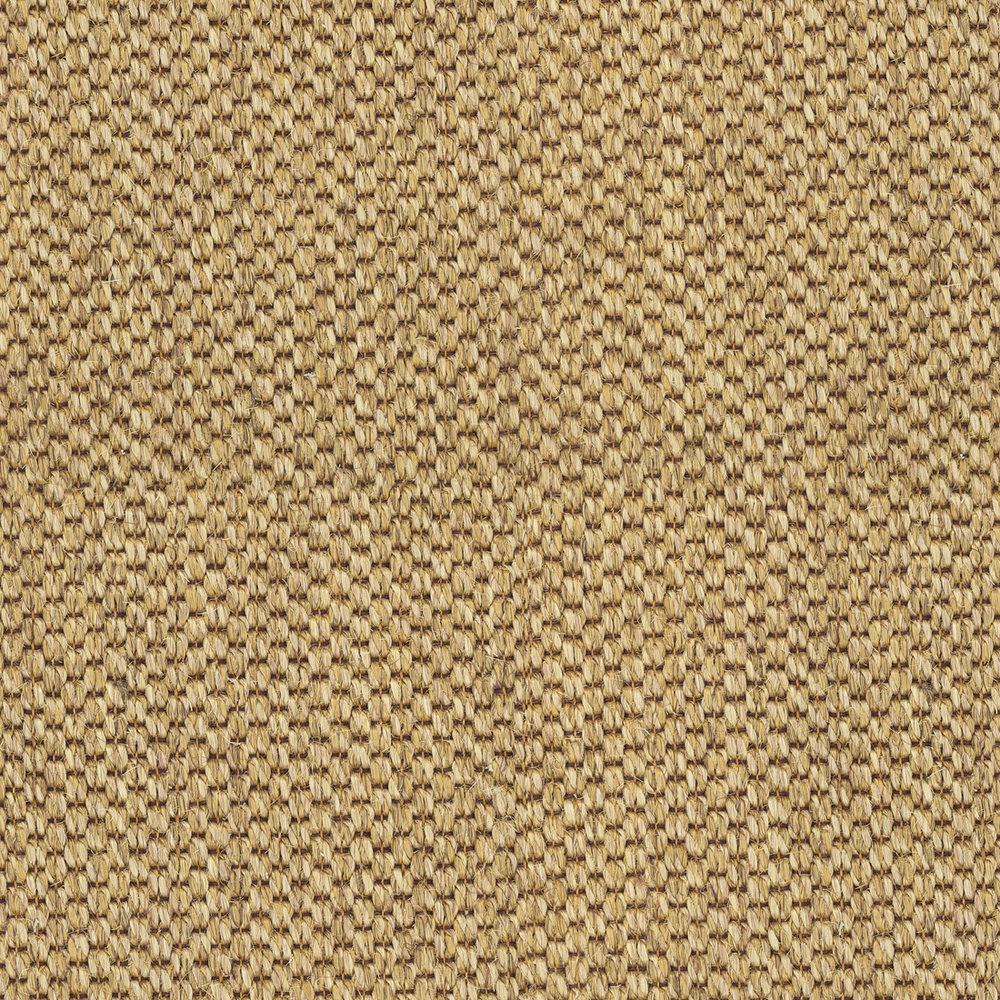
San Miguel has an open, basket-like texture that makes the interlaced fibers part of the design. Warm straw tones and darker details bring depth to the weave.
Choose this direction when you want texture to be a noticeable element in a simple space. The larger interlacing brings depth to a neutral floor and offers a pleasing counterpoint to smooth stone, clean-lined cabinetry and soft textiles.
Bakari
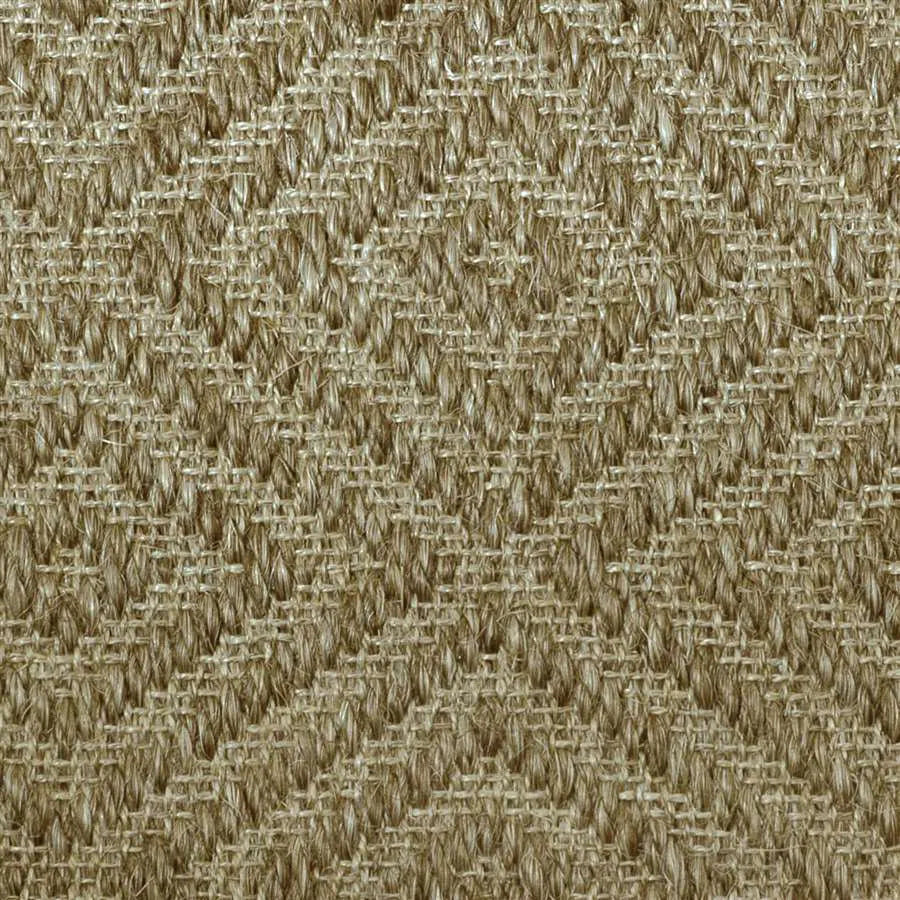
Bakari turns natural sisal into a distinctive diamond pattern. The woven jacquard gives the floor a more defined geometry, while the natural fiber keeps the effect tactile and grounded.
Warm natural and deeper earth tones can provide structure beneath traditional furnishings or become a focal point in a simpler interior. Compare a larger sample when possible so you can judge the scale of the diamonds in relation to your furniture.
Odyssey
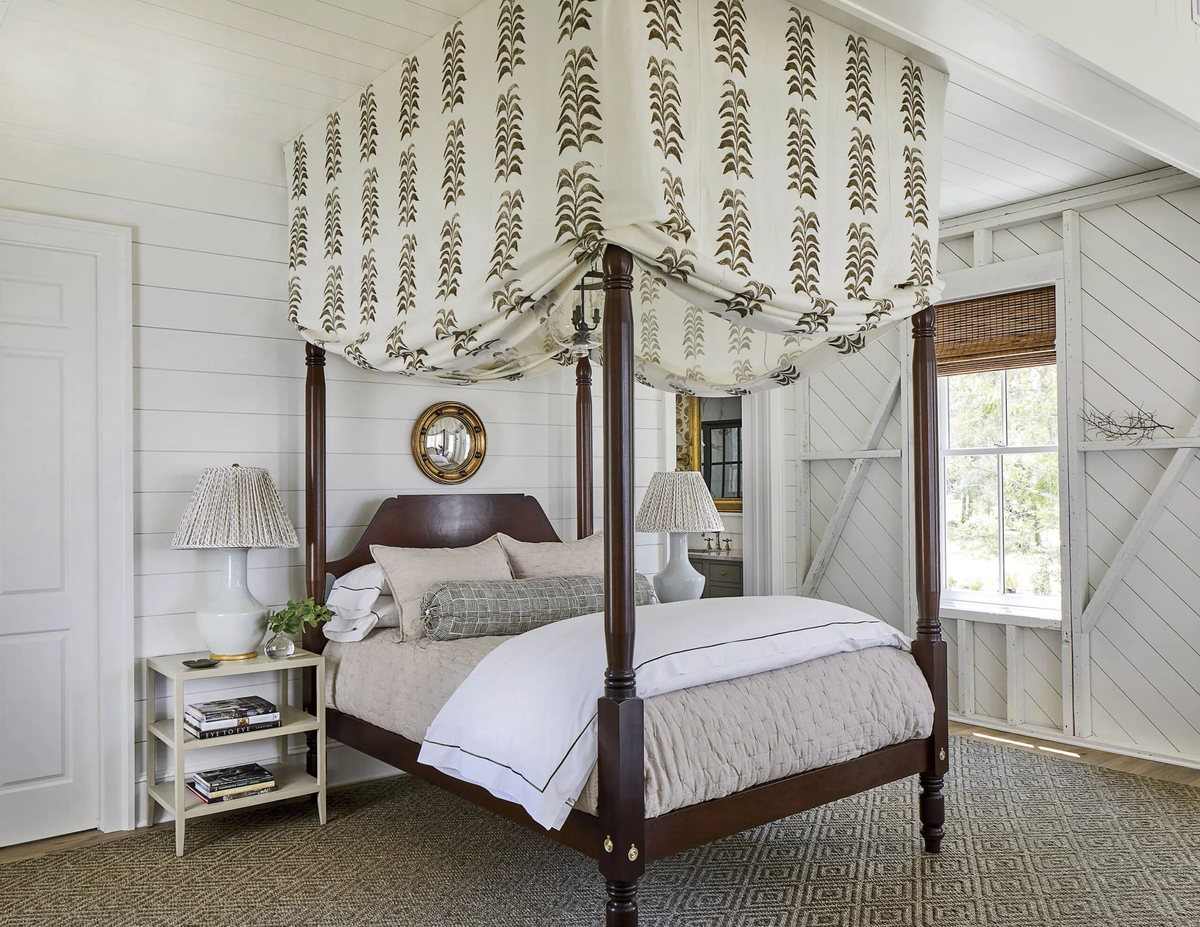
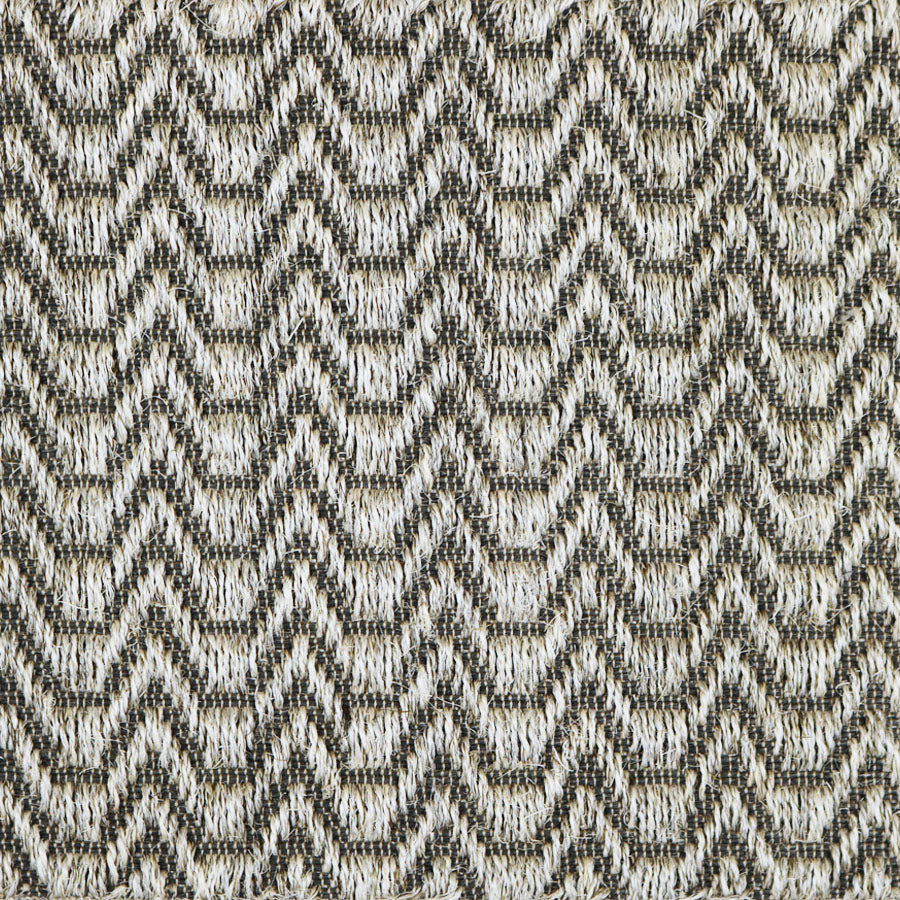
Odyssey introduces a flowing, wave-like geometry. Pale natural tones combine with darker threads, creating a compact pattern that changes in emphasis as you move closer.
This is a good direction for an interior that needs movement within an earthy palette. The repeating curves add character without relying on a bright color, giving simple furnishings a textured setting.
WHY TEXTURE MAKES A DIFFERENCE
A sisal rug can connect a room’s materials without overwhelming them. Pale upholstery, linen, wood and stone all take on a different character against a textured floor. A quieter weave lets furniture and art remain the focus; a more defined pattern gives a simple room another layer of visual interest.
Look at the weave from across the room as well as close up. A pattern that seems pronounced in a sample can become subtler across a larger area, while a contrasting thread may make a design more visible. These six selections show how much variety there is within a natural palette.


